
Why China Can’t Claim Kimchi And What Makes Kimchi Actually Kimchi (Feat. Kimchi Pantry 10% Discount Code)
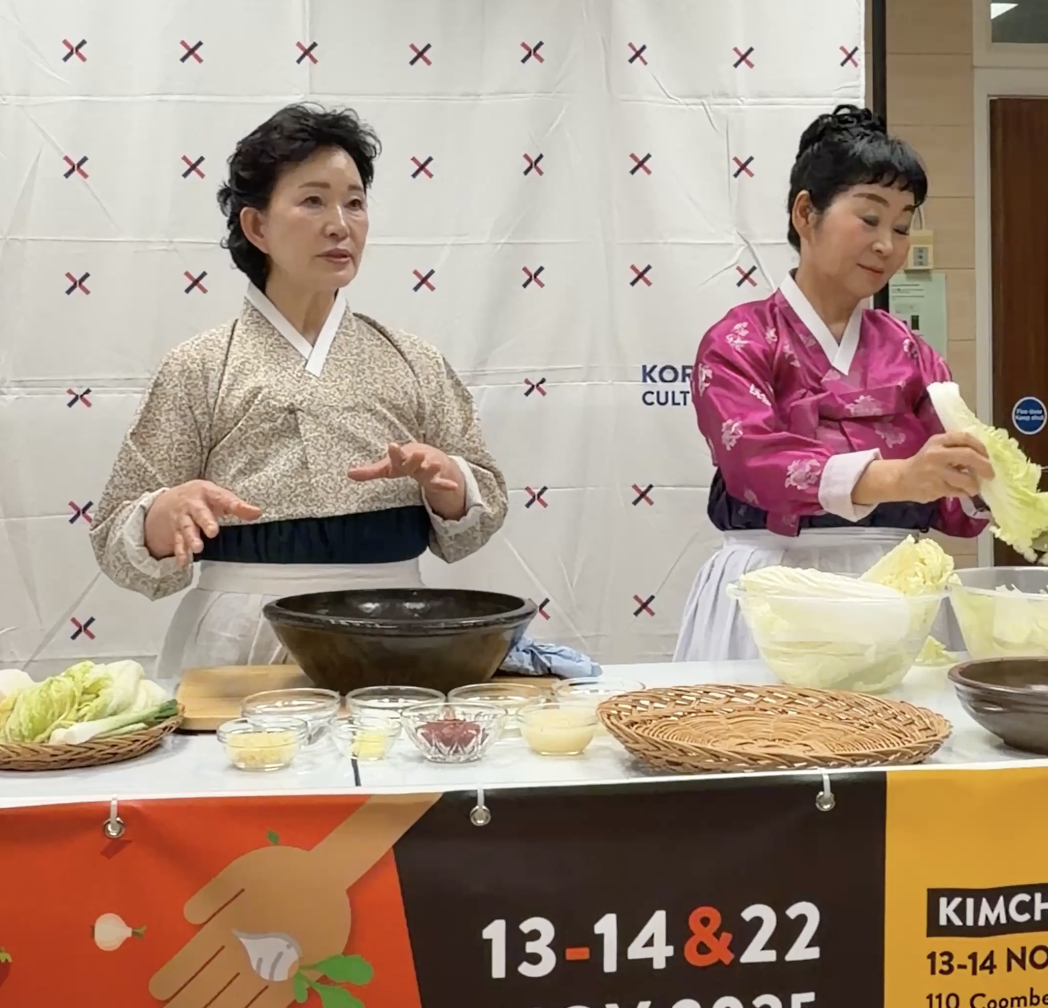
Most people think they know kimchi because they’ve eaten it. But ask someone to define it, and the room gets quiet. That is what happened when I took a kimchi class.
I learned this the hard way when I joined a kimchi class taught by Korea’s 58th appointed Kimchi Grand Master. She told me that even in Korea most people can't answer it. She have explained it to me.
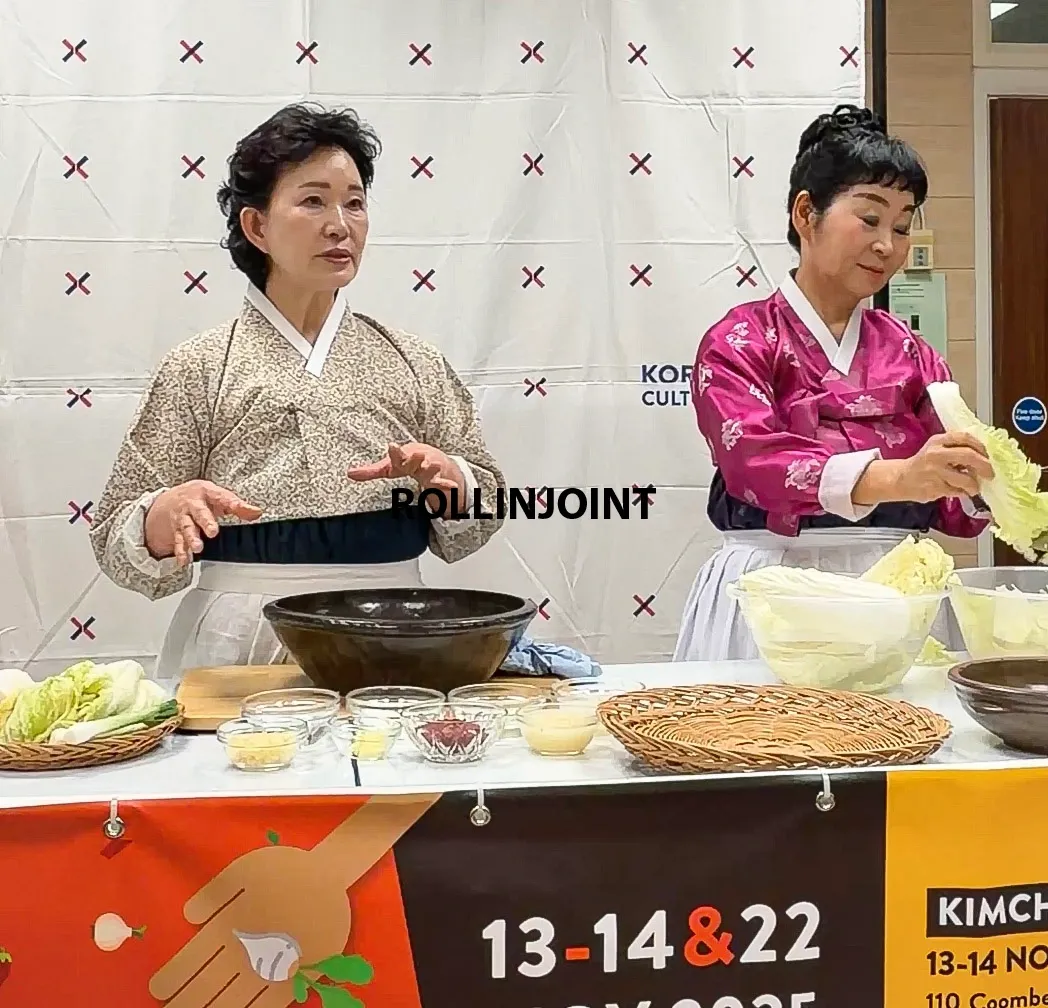
And this matters because China has repeatedly tried to claim kimchi as part of its own culinary tradition.
But there’s a part of the story they don’t talk about and honestly, I didn’t know it until recently.
So I started digging into its history.
Kimchi as a concept can go back thousands of years, but the version we eat today is surprisingly recent.
- Cabbage kimchi appeared around the 1400s
- Chilli pepper arrived in the 1700s
- The seasoned style (양념) that we recognise today became common only in the last 100 years
- The large modern Korean cabbage was popularised by a Korean-Japanese agricultural scientist during the Korean War
- And yes — kimchi-making season (김장) was officially listed as UNESCO Intangible Cultural Heritage in 2013
Kimchi has changed over centuries, but one rule has remained consistent:
It’s not just fermented vegetables. It’s a method.
The Definition of Kimchi | “If It Doesn’t Follow These Three Steps, It Isn’t Kimchi.”
So I met Cindy, the founder of Korean Pantry, who has been making kimchi for over 20 years and has worked directly with the Kimchi Grand Master.
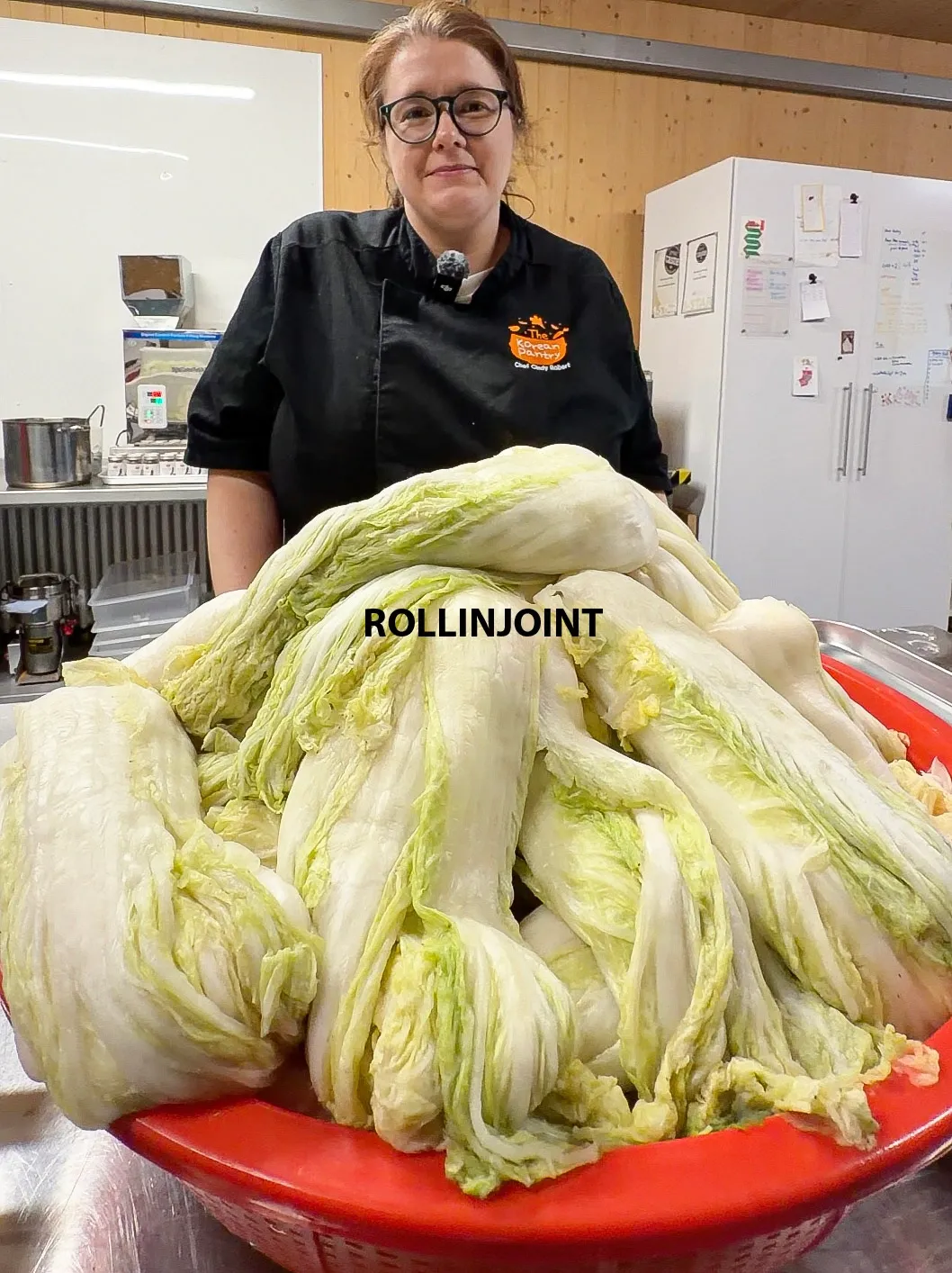
She explained the three conditions that define kimchi, the same ones listed in the Codex Standard for Kimchi (a joint FAO/WHO food standard created because of international disputes over naming):
Subscribe to continue reading