
The Only Real Pocha in London (Notting Hill Portobello Road Market) - Kiwa
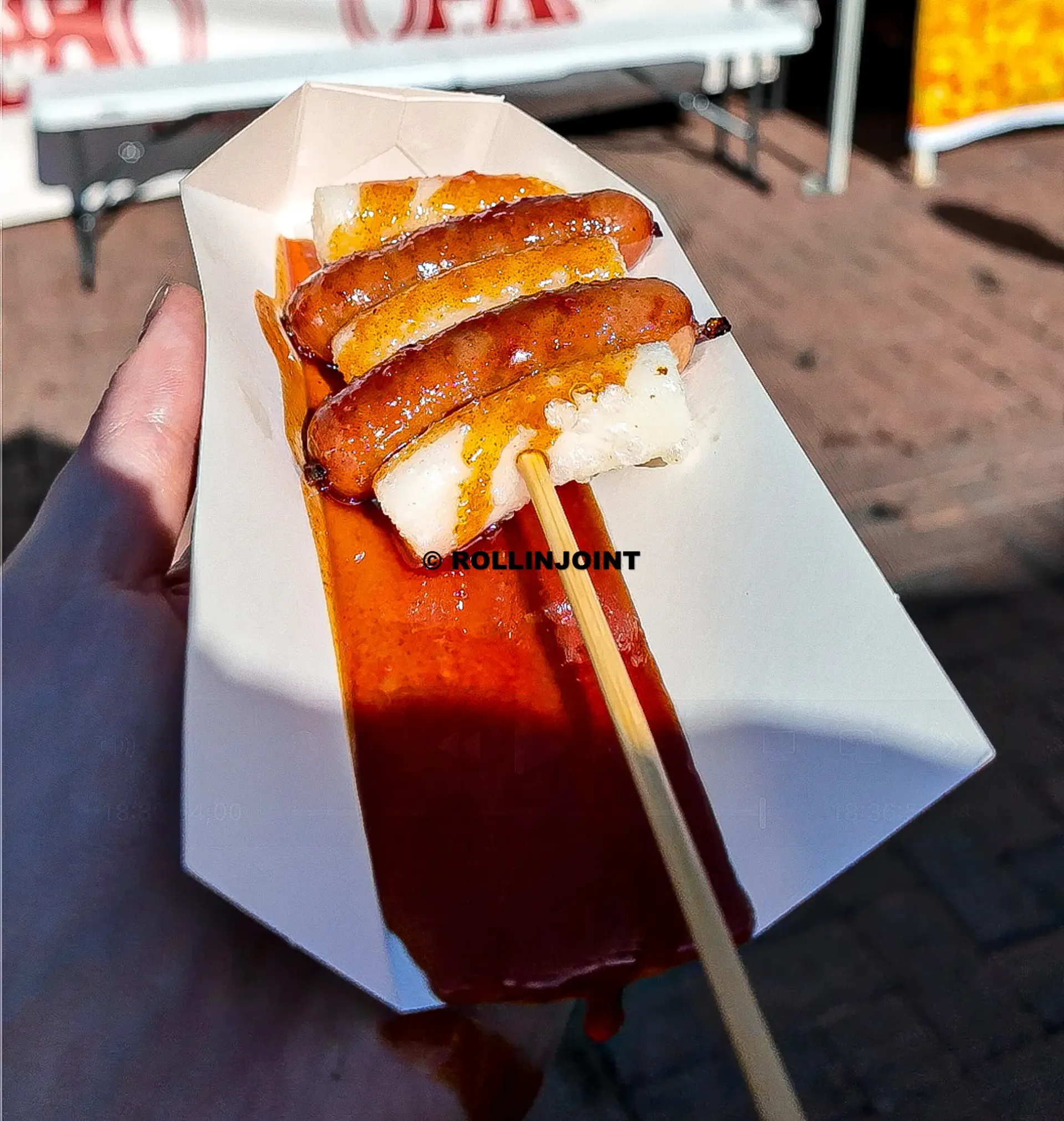
For some reason, there is a lot of restaurants named pocha in London. Hongdae Pocha, Kangnam Pocha, Gogo Pocha and more. But what is pocha?
What is Pojang Macha (포장마차)?
The word Pojang Macha (shorten, pocha 포장마차) literally means “covered wagon.” These stalls first became popular in Korea during the 1960s and 70s, when rapid urban growth pushed many people into city life. Portable tents with small seating areas appeared along busy streets, serving affordable dishes like fish cakes, tteokboki, and simple drinks.
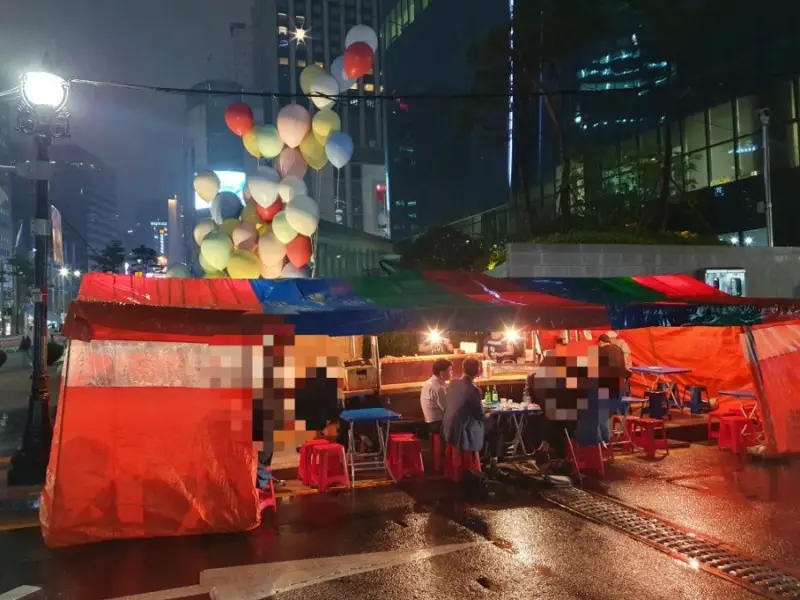
For many, 포장마차 became more than just a place to eat. They were places of comfort after work, where strangers could sit side by side, share soup, and escape the pace of the city for a moment.
And restaurants nowadays still use pocha in their name because it instantly evokes the nostalgic, late-night street stall vibe of casual drinking, comfort food, and authenticity, even as the real tents disappear.
Why Are They Disappearing in Seoul?
In Seoul today, 포장마차 are harder to find. Rising rents, stricter regulations, and redevelopment projects have pushed them out. At the same time, more people prefer indoor restaurants or delivery, which changed how these stalls could survive. What once was a nightly routine for many city workers is now a nostalgic memory.
That’s why finding one in London feels unusual.

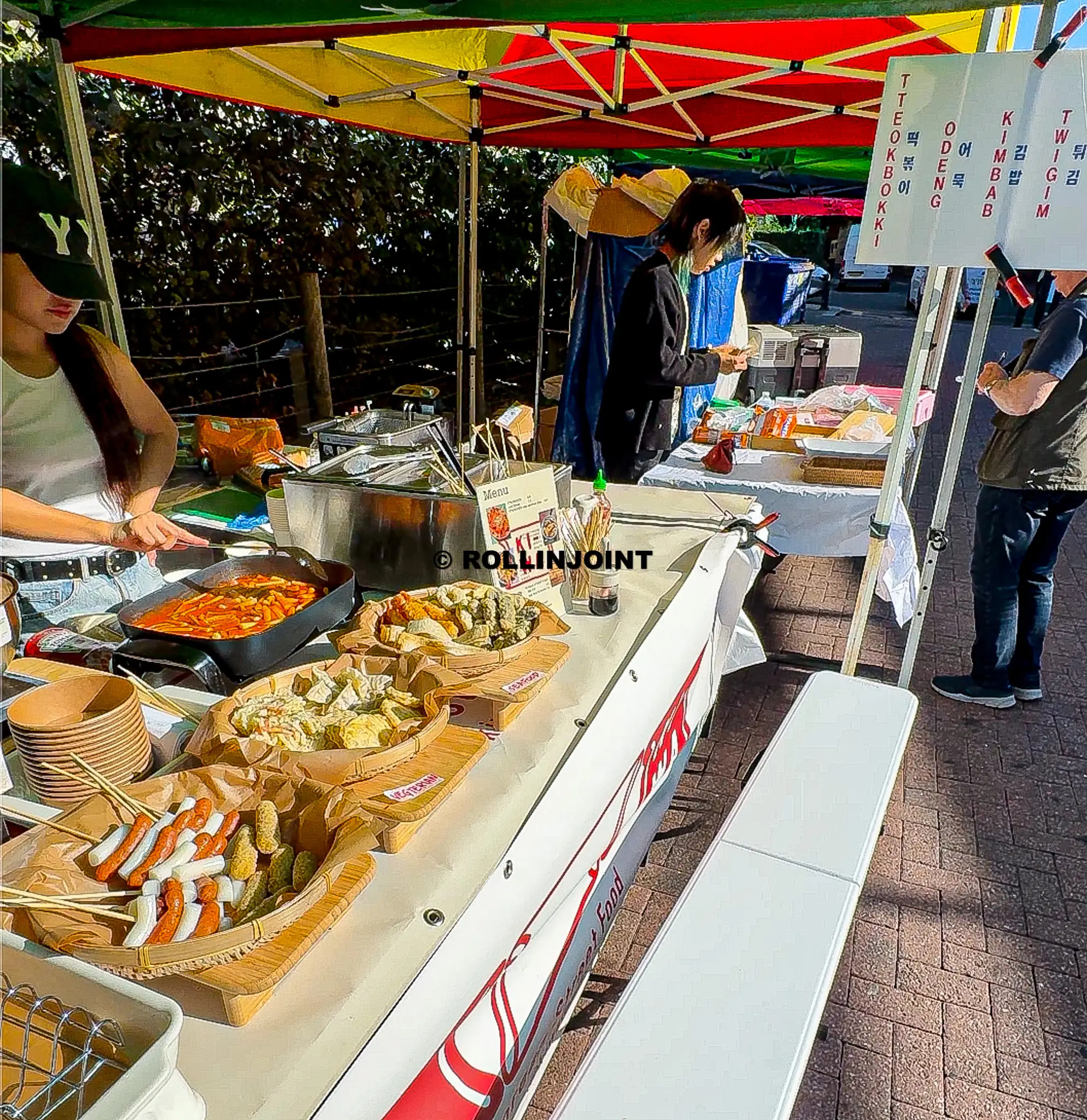
Even in Korea, they’re fading, but here in Portobello Road, Kiwa (기와) has brought the idea back to life.
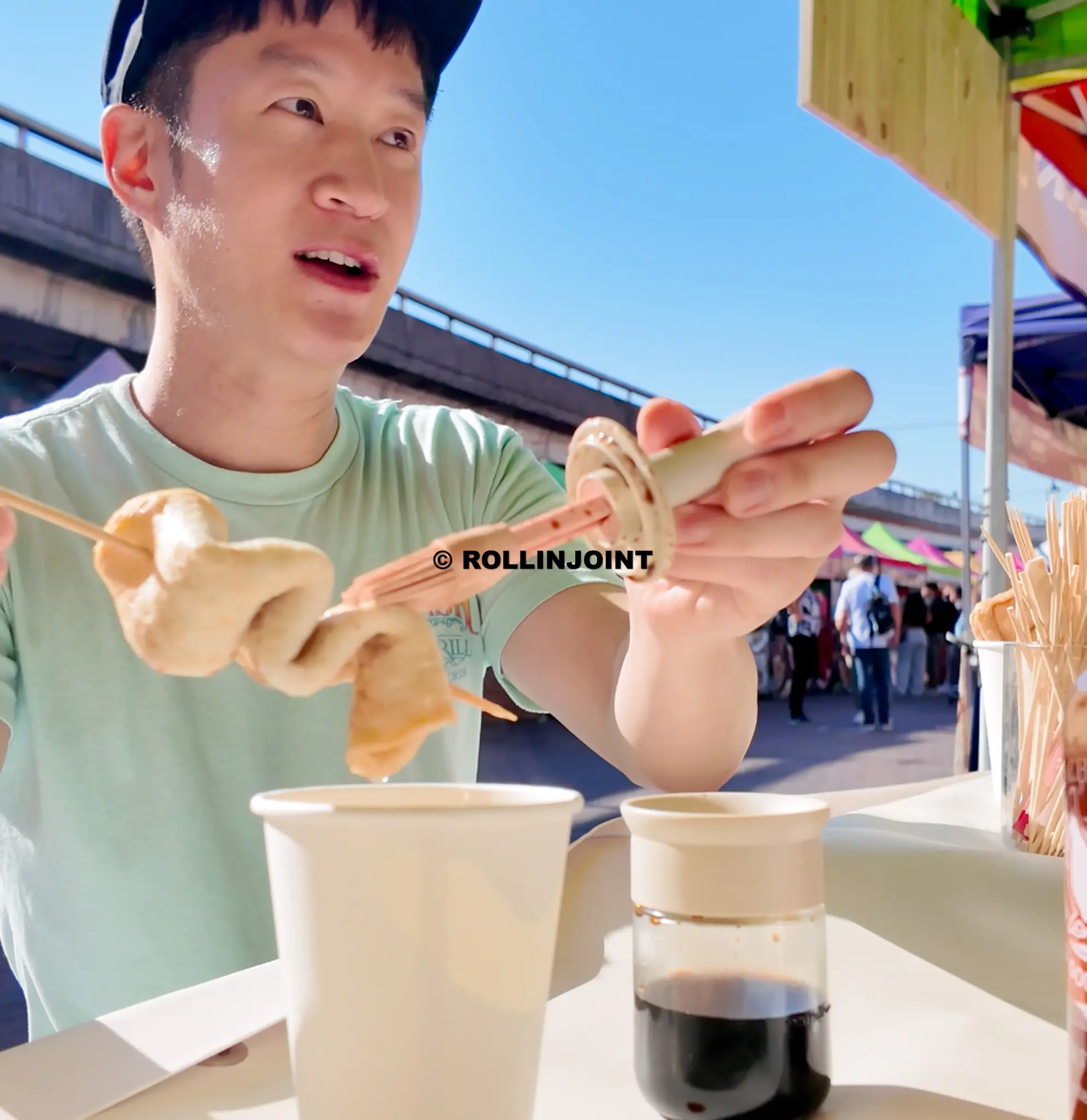
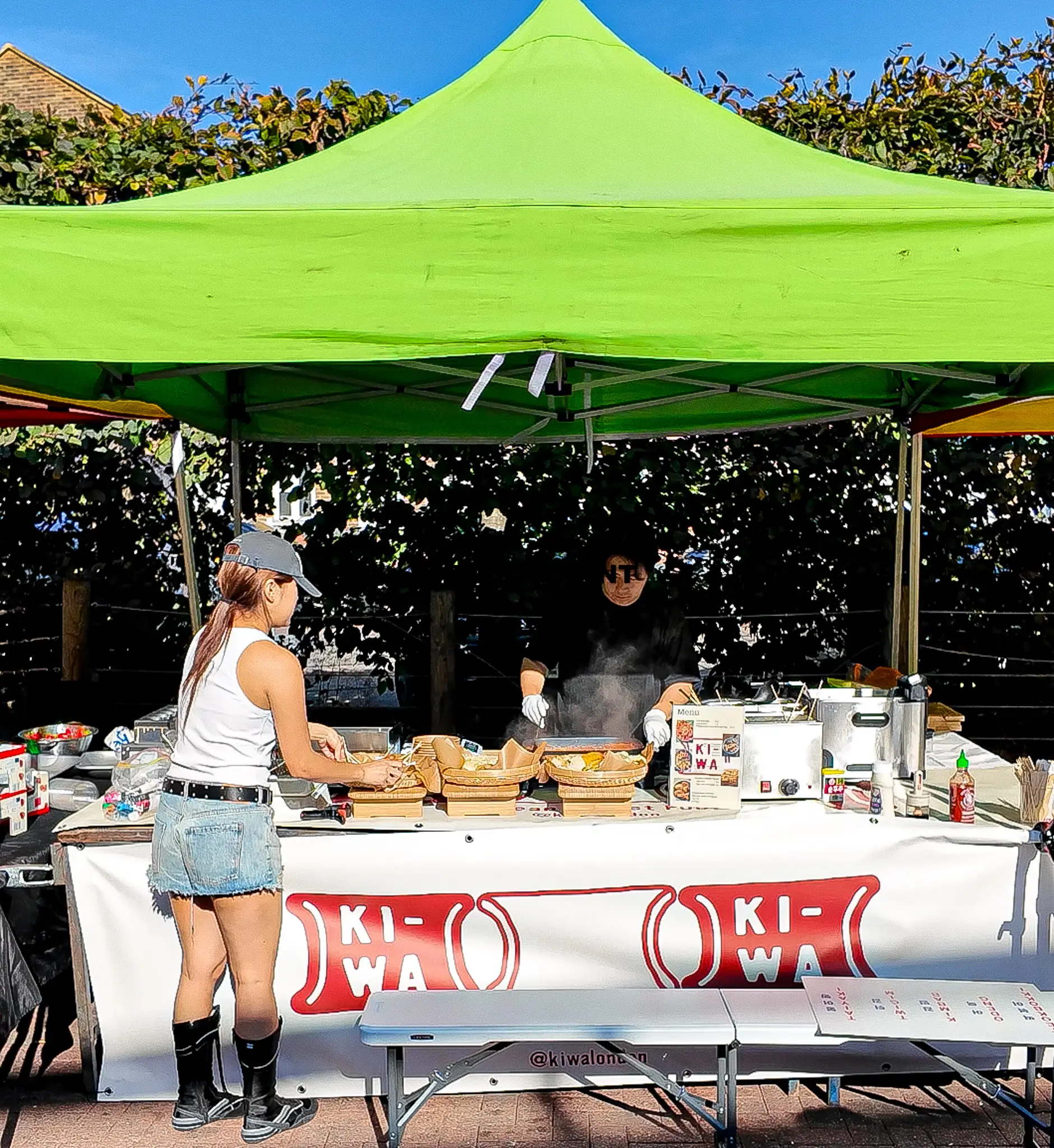

Finding 기와 in Portobello Road
Portobello Road draws visitors from every corner of the world, but most of them are not familiar with Korean food. Dishes like tteokbokki or the simple Korean street toast are still unknown to many outside Korea.

When 기와 set up their stall, winning people over was not easy. They tried offering small tastes, yet it often worked against them. The chewy bite of rice cakes or the broth-soaked odeng was something many tourists were not ready for.
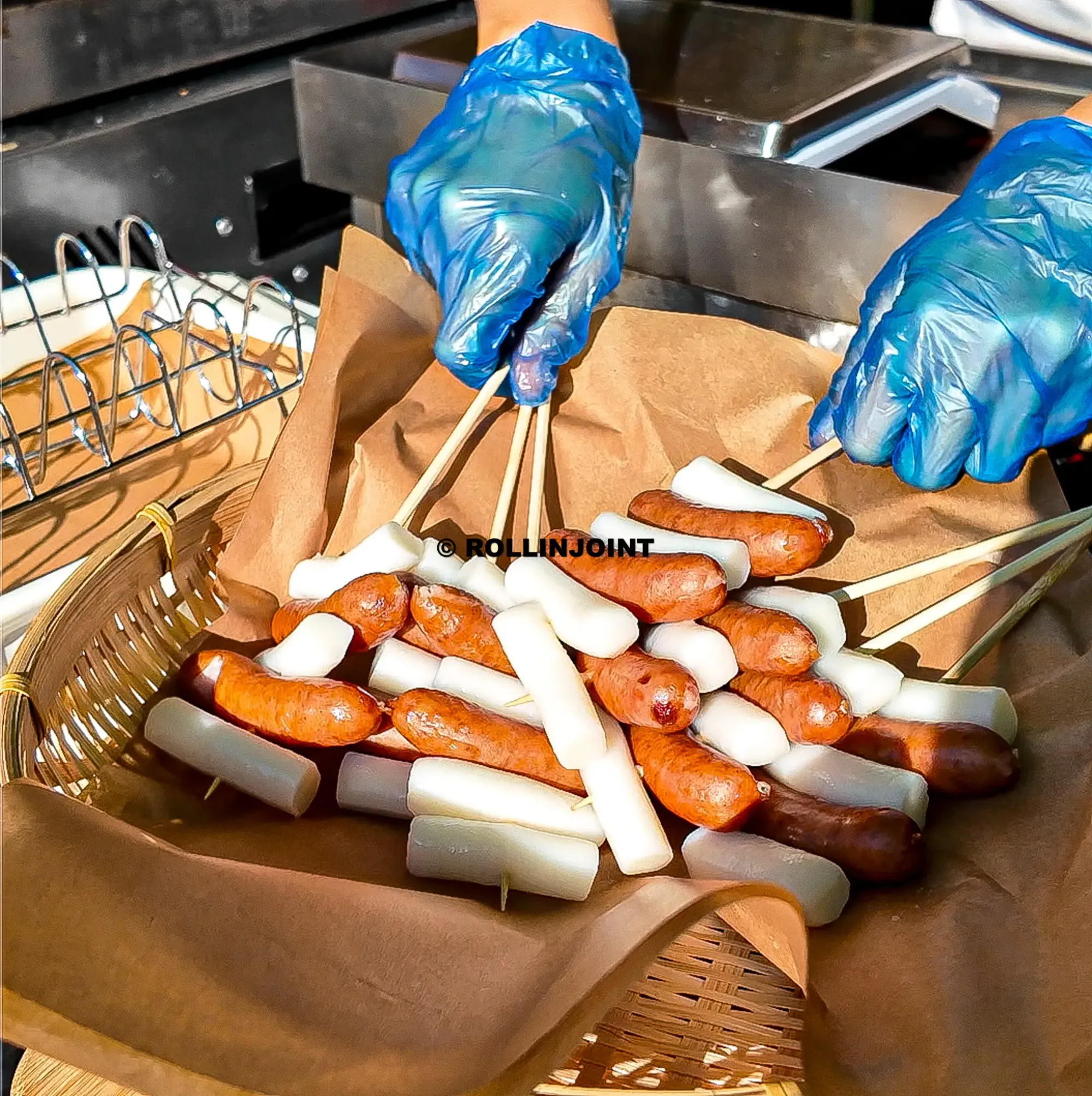
Even so, they never replaced their menu with safer choices. Rather than leaning on crowd pleasers like fried chicken, they stayed committed to the food you would actually find at a stall back home in Seoul.
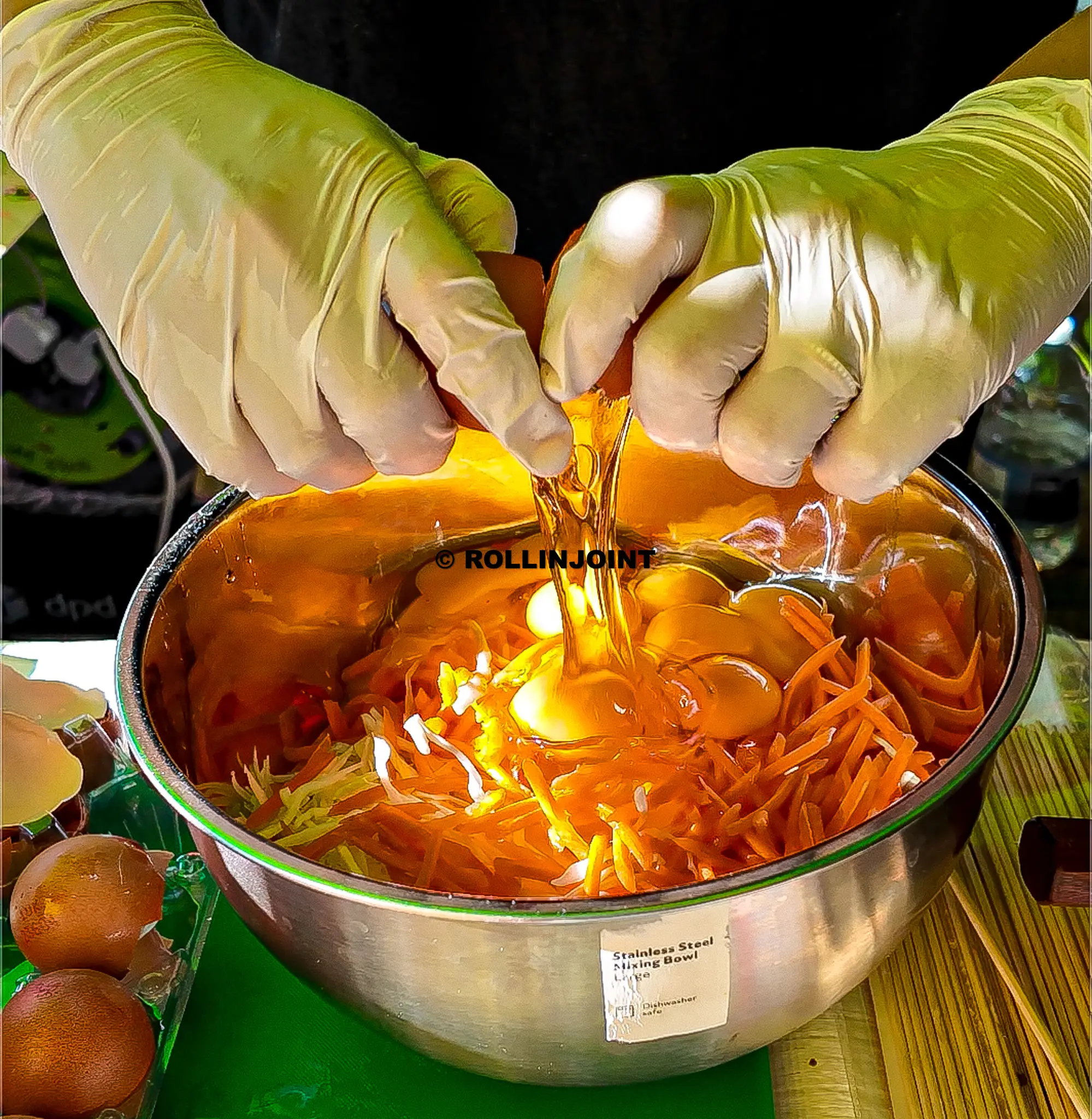
And the food itself is no different. The flavors taste just as they would in Korea, without any shortcuts or changes made for tourists. And here is the menu and the detailed review of what I thought of the food.
Subscribe to continue reading